
On the 2026 International Day for Universal Access to Information (IDUAI), the Centre for Law and Democracy (CLD) released its second right to information (RTI) stress test, formally titled the Global Comparative Testing of Responses to Requests for Information. This follows the pilot test last year, with UNESCO providing support both years.
This year, the exercise again involved lodging two requests seeking the same information from as many as possible of the countries and territories around with world with RTI laws. This year, 36% of the responses were mute refusals (no response at all), as compared to 38% last year, while some information was provided in response to 38% of the requests (down from 54% last year).
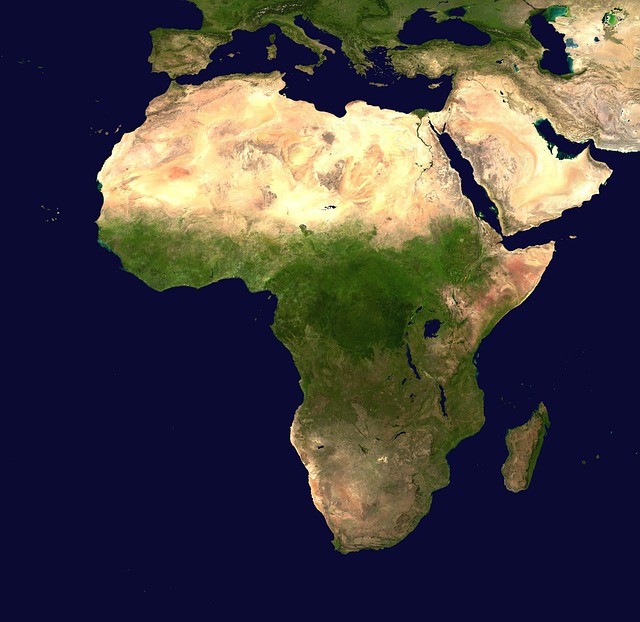
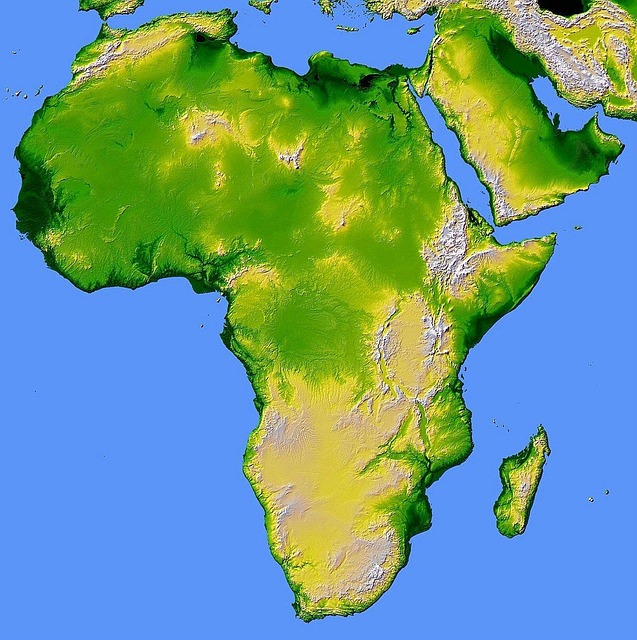
Regionally, Central and Eastern Europe did the best overall, with just 15% mute refusals and 71% legitimate responses, with Africa coming in last place, with 80% mute refusals, followed by the Arab Region with 60%. This year, for the first time, we also assessed separately the performance of small island developing States (SIDS). Despite the challenges these very small States face in terms of small bureaucracies and limited human resources, they performed comparatively well, with just 31% of requests resulting in mute refusals (albeit still too high) and provision of some information in 44% of cases. However, the average response time was quite long at nearly 30 days compared to the overall average of 21 days.
The global stress test report is available here.










































































































































Quick Links

© 2026 Centre For Law And Democracy All Rights Reserved