In the lead-up to International Right to Know Day 2019, CLD invites you to a panel on Democracy in Action: The Future of Your Right to Know, on 26 September at 5:00 PM at the Art Gallery of Nova Scotia, Windsor Foundation Lecture Theatre.




In the lead-up to International Right to Know Day 2019, CLD invites you to a panel on Democracy in Action: The Future of Your Right to Know, on 26 September at 5:00 PM at the Art Gallery of Nova Scotia, Windsor Foundation Lecture Theatre.
 28 August 2019.
The government of Myanmar has put forward a new National Records and Archives Law to modernise the system of maintaining records and archives in the country. While the overall thrust of the draft Law is positive, it fails to respect standards regarding public access to information in several key respects. Given that Myanmar has still not adopted a right to information law, it is unfortunate that other laws, including this one, are being put forward which risk undermining the longer term objective of opening up government.
“We support efforts that may result in better records management and preservation,” said Toby Mendel, Executive Director, CLD. “But these need to take a wider view of information as a social phenomenon and, in particular, respect the idea that citizens have a right to access information held by public authorities.”
Some of the key weaknesses of the draft Law in terms of access to information include the following:
CLD encourages those responsible for developing the draft Law to revise it to ensure that it respects international standards regarding the right to information.
The CLD Analysis and the draft Law are available at: Note on the Draft Myanmar National Records and Archives Law and Draft National Records and Archives Law
For further information, please contact:
Toby Mendel
Executive Director
Centre for Law and Democracy
Email: toby@law-democracy.org
+1 902 431 3688
www.law-democracy.org
twitter: @law_democracy
Pernille Kristensen
Programme Manager, Myanmar
IMS-Fojo
Email: pbk@mediasupport.org
https://www.mediasupport.org
Nwezin Win
Executive Director
Pyi Gyi Khin
Email: nwezinwin@pgkmyanmar.org
+95 95031246
www.facebook.com/PyiGyiKhinMyanmar
 23 August 2019.
The Centre for Law and Democracy (CLD) is seeking a Legal Officer to begin as soon as possible. We are looking for a successful, highly motivated person who will work from Halifax, Canada. The successful applicant will be rewarded with exciting legal work, high level representational opportunities and the chance to travel globally.
The Legal Officer will have a range of responsibilities related to safeguarding human rights, including freedom of expression and the right to information, as part of a small, dynamic human rights organisation with a unique mandate. The position combines legal analysis and top level standard setting research with on-the-ground campaigning across the Global South, in collaboration with a diverse range of activists, partners and subject matter experts. Direct advocacy is a major part of CLD’s work, and the position includes opportunities to engage with policy-makers at the highest level, as well as to dialogue with the world’s foremost experts on human rights. The position includes travel opportunities, as well as representing CLD at various international conferences and meetings. Salary for the position will be competitive and commensurate with experience. The Job Description is available at: Legal Officer Job Description
About the Organisation
CLD is an international human rights organisation based in Halifax, Nova Scotia, which provides expert legal services globally on foundational rights for democracy, with a particular emphasis on freedom of expression, freedom of association, the right to information and digital rights. Our major ongoing projects include:
Essential Qualifications
Preferred Qualifications
Those interested in applying should send a copy of their CV, cover letter and latest law school transcripts to laura@law-democracy.org, by 11:59 PM on 13 September 2019 Atlantic Daylight Time. Final candidates will be asked for writing samples and two references.
The Centre for Law and Democracy is committed to diversity and is an equal opportunity employer. We value and encourage applicants for all positions without regard to race, colour, religion, gender, sex, national origin, age, disability, marital status, sexual orientation, gender identity or expression, or any other legally protected status. This commitment applies with regard to all aspects of one’s employment, including hiring, transfer, promotion, compensation, eligibility for benefits, and termination.
 13 August 2019.
UNESCO has launched an overview report on its 2019 SDG Indicator 16.10.2 data collection exercise, Highlights from the 2019 UNESCO Monitoring and Reporting of SDG Indicator 16.10.2 – Access to Information: Powering Sustainable Development with Access to Information. The data collection exercise – covering 43 Voluntary National Review (VNR) countries – and initial reporting were done by the Centre for Law and Democracy (CLD). A full report is expected in due course.
“As an early pilot data collection exercise for SDG Indicator 16.10.2, focusing on implementation of right to information laws, the results are impressive,” said Toby Mendel, Executive Director, CLD. “We now plan to provide training to information commissions so that they will be able to conduct the exercise in 2020.”
The UNESCO methodology involved two surveys, one focusing on the work of central oversight bodies and one focusing on individual public authorities, both largely completed as self-reporting exercises. The first survey was filled out for all 43 countries and the second for 73 public authorities in 17 countries.
One of the more dramatic outcomes was the extremely positive results given by individual public authorities regarding the processing of requests, including an 81% rate of providing information in response to requests and an 80% rate of responding to requests within the initial time limits. Unfortunately, these figures do not correspond to the results of independent requesting exercises, suggesting that better data collection by public authorities may be needed. The exercise suggested that oversight bodies do a better job of collecting information about appeals, while still leaving significant room for improvement.
Some other selected results from the data collection exercise were:
• One-half of the countries which reported on this said that appeals were resolved, on average, in 31-60 days, while the other half took 61 days or more.
• Most countries claimed to have conducted public awareness raising activities.
• Overall, public authorities claimed to have proactively disclosed information across 14 different categories 59% of the time.
More detailed information about the results is contained in the overview report.
For further information, please contact:
Toby Mendel
Executive Director
Centre for Law and Democracy
Email: toby@law-democracy.org
+1 902 431 3688
www.law-democracy.org
twitter: @law_democracy
 1 August 2019.
The African Commission on Human and Peoples’ Rights (ACHPR) adopted the Declaration of Principles on Freedom of Expression in Africa in 2002. The Declaration, containing 16 principles setting out detailed standards relating to different aspects of the right to freedom of expression, has been very widely welcomed as a strong and progressive statement on this fundamental right. After 17 years, the Commission has now decided to update the Declaration and, to this end, the African Special Rapporteur on Freedom of Expression and Access to Information released a new draft Declaration of Principles on Freedom of Expression and Access to Information in Africa for comments in May 2019.
The Centre for Law and Democracy (CLD) and the Freedom of Expression Hub (FOE-HUB) have submitted a detailed Note on the draft Declaration to the Special Rapporteur with a view to ensuring that the final version is fully in line with and that it represents a strong effort to progressively develop established international standards.
“We very much welcome the idea of updating the Declaration given the massive changes to the freedom of expression landscape that have occurred since 2002,” said Toby Mendel, Executive Director, CLD. “But of course we hope that any new Declaration remains as progressive and forward-looking as the current Declaration was when it was first adopted.”
“The first draft of the new Declaration is very encouraging,” said Catherine Anite, Executive Director, FOE-HUB. “But we also feel that there are a number of important ways that it could be further improved, as set out in our Note.”
The Note provides both a small number of general comments on improving the overall approach of the draft Declaration and then a much larger number of specific comments on some of the 103 Principles it contains.
CLD and FOE-HUB encourage the Special Rapporteur and others working on the draft Declaration to take our comments and those submitted by other stakeholders into account as they work on revising the draft. We remain ready to provide such support as may be useful as the drafting process moves forward.
The CLD/FOE-HUB Note is available at: Note on the Draft Declaration of Principles on Freedom of Expression and Access to Information in Africa and the draft Declaration is available at: Draft Declaration of Principles on Freedom of Expression and Access to Information in Africa.
For further information, please contact:
Toby Mendel
Executive Director
Centre for Law and Democracy
Email: toby@law-democracy.org
+1 902 431 3688
www.law-democracy.org
twitter: @law_democracy
Catherine Anite
Executive Director
FOE-HUB
Email: catherine.anite@gmail.com
+256 752557073
http://foehub.org
twitter: @Xpressionhub
 30 July 2019.
The Gambia is one of a declining number of African countries that still does not have a law giving individuals a right to access information held by public authorities, or a right to information (RTI) law. However, there is some movement on this issue with the preparation of an Access to Information Bill for The Gambia, including with the participation of the Gambia Press Union. The Centre for Law and Democracy has prepared an Analysis of the Bill, which scores 116 out of a possible total of 150 points on the RTI Rating, which would put it in a very respectable 16th place out of the 124 countries around the world whose laws are currently assessed on the Rating.
“It is very encouraging that a right to information law may be on the horizon for The Gambia,” said Toby Mendel, Executive Director, CLD. “We hope that our analysis can help ensure that the Bill is as strong as it can be and that progress continues until it is adopted into law.”
Some of the particular strengths of the Bill are its broad scope, especially in terms of public authorities covered, independent and effective system of appeals, and strong rules on protections and sanctions. Areas for further improvement include:
CLD encourages those responsible for developing the draft to introduce these and the other improvements recommended in our Analysis it before it is formally put forward for legal adoption. We also offer our support for this process.
The CLD Analysis is available at Gambia Access to Information Analysis and the Bill is available at Gambia Access to Information Bill.
For further information, please contact:
Toby Mendel
Executive Director
Centre for Law and Democracy
Email: toby@law-democracy.org
+1 902 431 3688
www.law-democracy.org
twitter: @law_democracy
15 July 2019.
Civil society organisations in ten countries have produced parallel reports on the implementation of laws giving individuals a right to access to information held by public authorities (right to information or RTI laws) using the methodology for this prepared by the Freedom of Information Advocates Network (FOIAnet). This methodology is specially designed to facilitate parallel reporting by civil society groups. First designed and applied in 2017-18, the current methodology was launched on International Right to Know Day, 28 September 2018.
A synthesis or spotlight report, Road to 2030: Access to Information in the Driver’s Seat, has been launched at the High Level Political Forum (HLPF) currently taking place at the United Nations in New York. This report provides an overview of the general findings from the ten country reports, summary reports from each country and also, in Annexes, more detailed statistical information from each country.
“It is wonderful to see the FOIAnet methodology having been applied in the ten countries and then presented in a spotlight report at the HLPF”, said Toby Mendel, Executive Director of CLD. “Hopefully we can continue to increase the number of countries where civil society groups are applying this methodology.”
The Centre for Law and Democracy applied the FOIAnet methodology in Canada, which is one of the countries reflected in the synthesis report. We also produced a full report on the application of the methodology in Canada. Overall, Canada did well, getting a green grade, although some public authorities did better than others.
The synthesis report is available at: Road to 2030: Access to Information in the Driver’s Seat and the Canadian report is available at: Canada: Civil Society Parallel Assessment of Compliance with Sustainable Development Goal Indicator 16.10.2. The FOIAnet methodology is available at: http://foiadvocates.net/?page_id=11036.
For further information, please contact:
Toby Mendel
Executive Director
Centre for Law and Democracy
Email: toby@law-democracy.org
+1 902 431-3688
www.law-democracy.org
twitter: @law_democracy
 10 July 2019.
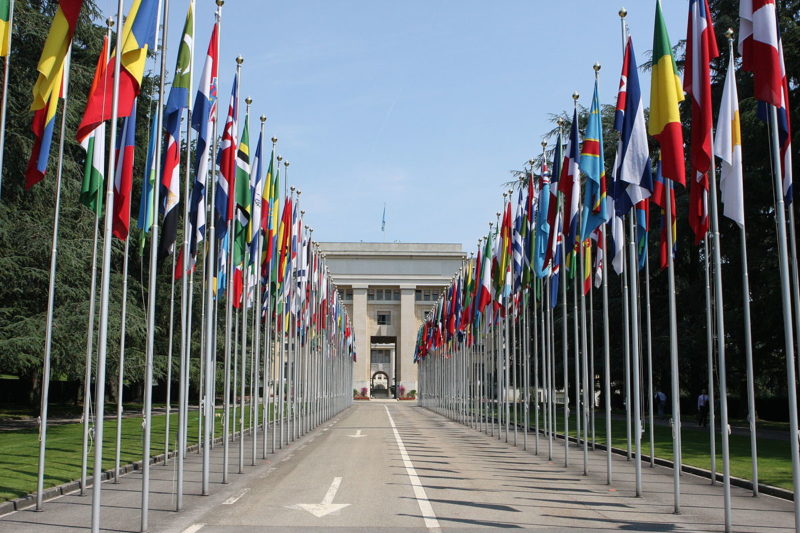
Today, in London, at the Global Conference for Media Freedom, the four special mandates tasked with promoting and protecting freedom of expression at the UN, OAS, OSCE and African Commission launched their Twentieth Anniversary Joint Declaration: Challenges to Freedom of Expression in the Next Decade. Drafted with the assistance of the Centre for Law and Democracy (CLD), the Declaration highlights the challenges that freedom of expression is expected to face over the next decade.
“The fact that Joint Declarations have been issued continuously for 20 years is itself a tremendous achievement”, said Toby Mendel, Executive Director of CLD. “This Declaration is special inasmuch as it provides a framework to guide monitoring of future threats to freedom of expression.”
The first section, on an enabling environment, focuses on both traditional threats – such as safety, excessive content restrictions, maintaining media diversity and the need for independent, accountable regulators – as well as some more modern ones – such as the dominance of online companies in terms of advertising, the need for States to respect human rights when seeking to influence major online intermediaries, restrictions on encryption and anonymity tools, and the growth in surveillance. The next section, on a free, open and inclusive Internet, looks at issues such as ensuring universal, affordable, quality Internet access, disruptions and shutdowns, network neutrality and State actions that fragment the Internet.
The last section examines the threat of private control over digital communications systems. It calls for independent multi-stakeholder oversight of the application of private content rules, regulatory measures to address business models which foster disinformation and hate speech, company responsibilities to respect human rights, transparency in algorithmic and artificial intelligence moderation of content, and effective measures to address concentration of ownership and abuses of dominant market positions.
The Joint Declaration is available in English and other languages at:
2019 Joint Declaration in Arabic
2019 Joint Declaration in English
2019 Joint Declaration in French
2019 Joint Declaration in Spanish
For further information, please contact:
Toby Mendel
Executive Director
Centre for Law and Democracy
Email: toby@law-democracy.org
+1 902 431-3688
www.law-democracy.org
twitter: @law_democracy
On 30 May 2019, CLD will lead a panel on “Three Methodologies to Assess the Implementation of SDG Indicator 16.10.2” at the 2019 Open Government Partnership (OGP) Summit 2019 in Ottawa, Canada. The session will be from 10:30-11:50 in Room 205 in the Shaw Centre. It will feature a discussion of various methodologies for assessing State progress towards implementating right to information laws.
Further information can be found here.
CLD welcomes all OGP Summit participants to attend the workshop. We look forward to seeing you there!
16 April 2019.
A review of the legal framework for the right to information in Vietnam, based on the adoption in January 2018 of new regulations, has increased Vietnam’s score from 69 to 76 points out of a possible total of 150 points on the RTI Rating, which puts it in 78th place out of the 123 countries around the world whose laws are currently assessed on the Rating. The Centre for Law and Democracy worked with a local organisation, Towards Transparency, the national contact of Transparency International in Vietnam, to review the Rating. In 2017, the two organisations collaborated in providing inputs into the regulations.
“It is encouraging to see Vietnam improve its legal framework for RTI,” said Toby Mendel, Executive Director, CLD.“Hopefully now some effort can be put into implementing the law and then it could perhaps be reviewed in a few years to fill in some gaps and address some weaknesses.”
Some of the gains on Vietnam’s RTI Rating score were based on gaps that were addressed through the regulations, while others were based on different laws that had not been taken into account in the original rating, which Towards Transparency brought to CLD’s attention.
For further information, please contact:
Toby Mendel
Executive Director
Centre for Law and Democracy
Email: toby@law-democracy.org
+1 902 431 3688
www.law-democracy.org
twitter: @law_democracy
Anh The Do (Mr.)
Program Officer, Law and Advocacy
Towards Transparency Vietnam
Email: anhdo@towardstransparency.vn
+84 946 503 069
www.towardstransparency.vn

11 April 2019.
Today, CLD joins 19 other expert organisations in a statement calling on Myanmar to protect freedom of expression as it revises the Constitution. The text is as follows, in English and in Burmese:
11 April 2019 — A new parliamentary committee tasked with reviewing Myanmar’s constitution is an opportunity for the government to guarantee the democratic rights to free expression, media freedom, and access to information.
We welcome the government’s creation of the Constitutional Amendment Committee, established to review and propose amendments that will support Myanmar’s transition to democracy.
Myanmar’s 2008 Constitution does not include the guarantees required in a democracy to protect freedom of expression. Those that it does include do not meet relevant international human rights standards. This threatens the transition to and quality of Myanmar’s democracy as can be seen for example in the wide range of laws used to prosecute journalists and human rights defenders.
We call on the Constitutional Amendment Committee to recommend:
We are committed to supporting Myanmar’s transition to democracy and would be happy to provide further information and guidance as the Committee conducts its review.
Signed:
Action Committee for Democracy Development (ACDD)
Burma News International (BNI)
Centre for Law and Democracy
Equality Myanmar
Free Expression Myanmar (FEM)
Generation Wave
Human Rights Watch (HRW)
International Commission for Jurists (ICJ)
International Press Institute (IPI)
Independent Lawyers’ Association of Myanmar (ILAM)
Myanmar Journalist Network (MJN)
Myanmar Journalists’ Union (MJU)
Myanmar Media Lawyers’ Network (MMLN)
Myanmar Women Journalist Society (MWJS)
Protection Committee for Myanmar Journalists (PCMJ)
PEN America
PEN Myanmar
Reporters Without Borders (RSF)
Southeast Asian Press Alliance (SEAPA)
Smile Education Foundation
—
Supported by:
ရွှေခြံမြေကွန်ရက်၊ ကွမ်းခြံကုန်း ၊ ရန်ကုန်တိုင်းဒေသကြီး။
လူ့အခွင့်အရေးကာကွယ်မြှင့်တင်ရေးကွန်ရက်၊ ချောက်မြို့နယ်၊ မကွေးတိုင်းဒေသကြီး။
အလုပ်သမားအဖွဲ့ဖွဲ့စည်းပေါ်ပေါက်ရေးနှင့် အမျိုးသမီးအခွင့်အရေးအသိပညာပေးရေး ပဲခူးကွန်ရက်၊ ပဲခူးတိုင်းဒေသကြီး။
တောင်သူလယ်သမားများနှင့် ရေလုပ်သားများ အကျိုးစီးပွားကာကွယ်စောင့်ရှောက်ရေးကွန်ရက်၊ မြစ်ကျိုးတိုက်နယ်၊ ပဲခူးတိုင်းဒေသကြီး။
ဥသျှစ်ပင် လူငယ်ကွန်ရက်၊ ဥသျှစ်ပင်မြို့၊ ပန်းတောင်းမြို့နယ်၊ ပဲခူးတိုင်းဒေသကြီး။
တောင်သူလယ်သမားများဥပဒေအထောက်အကူပြု ကွန်ရက် (PLAN-A)၊ မြောက်ဦးမြို့နယ်၊ ရခိုင်ပြည်နယ်။
မွန်လူငယ်ကွန်ရက်၊ ရေးလမိုင်း၊ မွန်ပြည်နယ်။
လူမူဖွံ့ဖြိုးရေးနှင့် ငြိမ်းချမ်းရေးကွန်ရက်၊ ပေါင်မြို့နယ်၊ မွန်ပြည်နယ်။
Ramkhye – ရမ်းခေး မြစ်ကြီးနား ကွန်ရက်၊ မြစ်ကြီးနား၊ ကချင်ပြည်နယ်။
Justice Drum ကွန်ရက်၊ ရှမ်းပြည်နယ်တောင်ပိုင်း။
ရပ်ရွာငြိမ်းချမ်းရေးနှင့်ဖွံ့ဖြိုးရေးရှေ့ဆောင်အဖွဲ့ (Area Peace and Development Forward ) ကလေး မြို့နယ်၊ ကလေး ခရိုင်၊ စစ်ကိုင်းတိုင်း။
ဒို့လယ်ယာ ကွန်ရက်၊ အင်္ဂပူမြို့နယ်၊ ဟင်္သာတခရိုင်၊ ဧရာဝတီတိုင်း။
For further information, please contact Yin Yadanar Thein, Free Expression Myanmar, yin@FreeExpressionMyanmar.org 09260037058
(၁၁) ဧပြီလ၂၀၁၉— မြန်မာနိုင်ငံဖွဲ့စည်းပုံအခြေခံဥပဒေကိုသုံးသပ်ရန်တာဝန်ဖြင့် လွှတ်တော်ကော်မတီအသစ်တစ်ရပ် ဖွဲ့စည်းလိုက်ခြင်းသည်ဒီမိုကရေစီအခွင့်အရေးများဖြစ်ကြသည့်လွတ်လပ်စွာထုတ်ဖော်ပြောဆိုခွင့်၊မီဒီယာလွတ်လပ်ခွင့်နှင့်သတင်းအချက်အလက်ရယူပိုင်ခွင့်တို့ကိုအစိုးရမှ အကာအကွယ်ပေးရန် အခွင့်အရေးတစ်ရပ်ပင်ဖြစ်သည်။
မြန်မာနိုင်ငံ၏ဒီမိုကရေစီအသွင်ကူးပြောင်းရေးကိုအထောက်အပံ့ပေးလာမည့်အခြေခံဥပဒေပြင်ဆင်ချက်များကိုသုံးသပ် အဆိုပြုရန်အစိုးရမှ ဖွဲ့စည်းပုံအခြေခံဥပဒေပြင်ဆင်ရေးကော်မတီတစ်ရပ်ဖွဲ့စည်းဆောင်ရွက်နေမှုကိုကျွန်ုပ်တို့အနေဖြင့်ကြိုဆိုပါသည်။
လွတ်လပ်စွာရေးသားထုတ်ဖော်ပြောဆိုခွင့်ကို အကာကွယ်ပေးရန်ဒီမိုကရေစီနိုင်ငံတခုတွင်လိုအပ်သည့်အာမခံချက်များကိုမြန်မာနိုင်ငံ၏၂၀၀၈ဖွဲ့စည်းပုံအခြေခံဥပဒေတွင်ထည့်သွင်းထားခြင်းမရှိပါ။ ပါဝင်သည့်ပြဋ္ဌာန်းချက်များသည်လည်းသက် ဆိုင်ရာနိုင်ငံတကာလူ့အခွင့်အရေးစံနှုန်းများနှင့်ကိုက်ညီမှုမရှိချေ။ထိုကဲ့သို့လူ့အခွင့်အရေးစံနှုန်းများနှင့် ကိုက်ညီမှုမရှိခြင်း ကြောင့် ဂျာနယ်လစ်များနှင့်လူ့အခွင့်အရေးကာကွယ်သူများကိုတရားစွဲဆိုရန်ကျယ်ပြောများပြားလှသည့် ဥပဒေများအား အသုံးပြုနေနိုင်သည်ကိုဥပမာအဖြစ်တွေ့ရှိနိုင်ပြီး၊ထိုအချက်ကမြန်မာ့ဒီမိုကရေစီလမ်းကြောင်းနှင့်ဒီမိုကရေစီအရည်အ သွေးကိုခြိမ်းခြောက်လျက်ရှိသည်။
အောက်ပါအချက်များကိုထည့်သွင်းအကြံပြုပေးပါရန်ဖွဲ့စည်းပုံပြင်ဆင်ရေးကော်မတီအားကျွန်ုပ်တို့မှတိုက်တွန်းတောင်း ဆိုလိုက်ပါသည်။
မြန်မာနိုင်ငံ၏ဒီမိုကရေစီအသွင်ကူးပြောင်းရေးကိုအားပေးထောက်ခံရန်ကျွန်ုပ်တို့မှသံဓိဌာန်ချထားပြီး၊ကော်မတီမှ သုံးသပ် အကြံပြုရာတွင်လိုအပ်မည့်နောက်ထပ်သတင်းအချက်အလက်များနှင့်လမ်းညွှန်ချက်များကိုထောက်ပံ့ပေးသွားရန်လည်းဆန္ဒရှိပါသည်။
သဘောထားထုတ်ပြန်ချက်အားလက်မှတ်ရေးထိုးထောက်ခံသည့်အဖွဲ့အစည်းများ
Action Committee for Democracy Development (ဒီမိုကရေစီဖွံ့ဖြိုးတိုးတက်ရေးလှုပ်ရှားဆောင်ရွက်မှု ကော်မတီ)
Burma News International (BNI)
Centre for Law and Democracy (CLD)
Equality Myanmar (ညီမျှခြင်းမြန်မာ)
Free Expression Myanmar (လွတ်လပ်သောထုတ်ဖော်ပြောဆိုခြင်းမြန်မာ)
Generation Wave (မျိုးဆက်သစ်လှိုင်း)
Human Rights Watch (HRW)
International Commission of Jurists (ICJ)
International Press Institute (IPI)
Independent Lawyers’ Association of Myanmar (မြန်မာနိုင်ငံလွတ်လပ်သောရှေ့နေများအသင်း)
Myanmar Journalist Network (မြန်မာဂျာနယ်လစ်ကွန်ယက်)
Myanmar Journalists Union (မြန်မာစာနယ်ဇင်းသမဂ္ဂ)
Myanmar Media Lawyers’ Network (မြန်မာမီဒီယာရှေ့နေများကွန်ယက်)
Myanmar Women Journalist Society (မြန်မာနိုင်ငံအမျိုးသမီးသတင်းသမားများအဖွဲ့)
Protection Committee for Myanmar Journalists (မြန်မာသတင်းသမားများကာကွာရေးကော်မတီ)
PEN America
PEN Myanmar (ပဲန်မြန်မာ)
Reporters Without Borders (RSF)
Southeast Asian Press Alliance (SEAPA)
Smile Education Foundation
ရွှေခြံမြေကွန်ရက်၊ ကွမ်းခြံကုန်း ၊ ရန်ကုန်တိုင်းဒေသကြီး။
လူ့အခွင့်အရေးကာကွယ်မြှင့်တင်ရေးကွန်ရက်၊ ချောက်မြို့နယ်၊ မကွေးတိုင်းဒေသကြီး။
အလုပ်သမားအဖွဲ့ဖွဲ့စည်းပေါ်ပေါက်ရေးနှင့် အမျိုးသမီးအခွင့်အရေးအသိပညာပေးရေး ပဲခူးကွန်ရက်၊ ပဲခူးတိုင်းဒေသကြီး။
တောင်သူလယ်သမားများနှင့် ရေလုပ်သားများ အကျိုးစီးပွားကာကွယ်စောင့်ရှောက်ရေးကွန်ရက်၊ မြစ်ကျိုးတိုက်နယ်၊ ပဲခူးတိုင်းဒေသကြီး။
ဥသျှစ်ပင် လူငယ်ကွန်ရက်၊ ဥသျှစ်ပင်မြို့၊ ပန်းတောင်းမြို့နယ်၊ ပဲခူးတိုင်းဒေသကြီး။
တောင်သူလယ်သမားများဥပဒေအထောက်အကူပြု ကွန်ရက် (PLAN-A)၊ မြောက်ဦးမြို့နယ်၊ ရခိုင်ပြည်နယ်။
မွန်လူငယ်ကွန်ရက်၊ ရေးလမိုင်း၊ မွန်ပြည်နယ်။
လူမူဖွံ့ဖြိုးရေးနှင့် ငြိမ်းချမ်းရေးကွန်ရက်၊ ပေါင်မြို့နယ်၊ မွန်ပြည်နယ်။
Ramkhye – ရမ်းခေး မြစ်ကြီးနား ကွန်ရက်၊ မြစ်ကြီးနား၊ ကချင်ပြည်နယ်။
Justice Drum ကွန်ရက်၊ ရှမ်းပြည်နယ်တောင်ပိုင်း။
ရပ်ရွာငြိမ်းချမ်းရေးနှင့်ဖွံ့ဖြိုးရေးရှေ့ဆောင်အဖွဲ့ (Area Peace and Development Forward ) ကလေး မြို့နယ်၊ ကလေး ခရိုင်၊ စစ်ကိုင်းတိုင်း။
ဒို့လယ်ယာ ကွန်ရက်၊ အင်္ဂပူမြို့နယ်၊ ဟင်္သာတခရိုင်၊ ဧရာဝတီတိုင်း။
—
ထပ်မံသိရှိလိုပါကယဉ်ရတနာသိန်း(လွတ်လပ်သောထုတ်ဖော်ပြောဆိုခြင်းမြန်မာ) ထံသို့၀၉၂၆၀၀၃၇၀၅၈မှဖြစ်စေ၊ yin@FreeExpressionMyanmar.orgမှဖြစ်စေ၊ဆက်သွယ်နိုင်ပါသည်။
 29 March 2019,
The Centre for Law and Democracy (CLD) (Canada), Transparency Maroc (TM), Palestinian Center for Development and Media Freedoms (MADA) and Maharat Foundation (Lebanon) launched the Charter for Improving Civil Society Engagement with the League of Arab States today, ahead of the 31 March 2019 Arab League Summit being held in Tunis. The Charter sets out minimum standards for what the League of Arab States (LAS) needs to do to improve its engagement practices with civil society and other stakeholders.
In September 2018, the four organisations published a report on Improving Civil Society Engagement at the League of Arab States which highlights how far behind other inter-governmental organisations (IGOs) – including regional bodies like the Council of Europe and Organization of American States – the LAS is in terms of engaging with civil society. The Charter, which was finalised after several rounds of consultation and discussion, sets out standards and processes for improving LAS engagement, organised under three main headings.
As a first step, the Charter calls on the LAS to “conduct an open and inclusive process of consultation with civil society with a view to putting in place a new framework for engagement”, providing some minimum conditions for this, including that the process should be transparent, collaborative and genuine in the sense that the LAS commits to real change at the outset. Second, the Charter calls on the LAS to “adopt a dedicated information disclosure policy”, in line with international standards, leading to a substantial improvement in the disclosure of information by the League. Finally, the Charter calls on the LAS to put in place a number of short-term measures to improve engagement, given that the deeper reform process is likely to take some time. These include transforming the current system of accrediting “observers” into one which allows civil society to be given consultative status (i.e. with the right to speak as well as observe) and putting in place other engagement systems, including ad hoc accreditation to attend meetings.
The Charter is available in English and Arabic at: [in English here] and [in Arabic here].
For further information, please contact:
Toby Mendel
Executive Director
Centre for Law and Democracy
Email: toby@law-democracy.org
+1 902 431-3688
www.law-democracy.org
twitter: @law_democracy
Roula Mikhael
Executive Director
Maharat Foundation
Email: roula.mikhael@maharatfoundation.org
+961 3 612 413
http://www.maharatfoundation.org
Mousa Rimwa
General Director
Palestinian Center for Development and Media Freedoms (MADA)
Email: m.rimawi@madacenter.org
+970 22976519
http://www.madacenter.org
Fouad Zirari
Staff Coordinator
Transparency Maroc
Email: fouadzirari@gmail.com
+212 06 61 09 61 68
http://transparencymaroc.ma/TM/
 28 March 2019,
The Centre for Law and Democracy has collaborated with Columbia Global Freedom of Expression and nine other universities and civil society organisations from around the world to launch a new teaching portal Freedom of Expression Without Frontiers. The goal of the portal is to promote the adoption of a global approach to the teaching of free speech. The project grew out of meetings at Columbia University which concluded that the teaching of free speech, media law and communications remains heavily centred on one country and one discipline and, as such, is badly out of alignment with global needs.
“As an organisation that does a lot of training of freedom of expression and the right to information, is a pleasure for CLD to collaborate on this project,” said Toby Mendel, Executive Director, CLD. “We believe that bringing together high quality and more internationally focused training materials, under the auspices of such renowned founding partners, will bring a lot of benefits.”
Freedom of Expression Without Frontiers offers close to 300 academic and training resources on the laws, institutions and actors that have founded a global system of freedom of expression, information and media. Its target audiences include educators, whether academic or civil society based, who wish to design and offer courses and trainings on this global information ecosystem, and students, journalists, legal practitioners who wish to engage and understand free speech issues from a global standpoint.
The Portal includes pedagogical resources designed by professors and trainers from different parts of the world and across different disciplines. The website is organised around nine teaching modules, each of which covers a variety of themes within its subject area. For example, the module on Journalism offers resources exploring how international and regional law and bodies have defined the practice of journalism – from the rejection of licensing, to the protection of journalistic sources and the importance of self-regulation – and debating the professional and ethical standards that ought to be demanded of citizen journalists and bloggers. Resources can be segmented further according to their fields and medium, such as required readings, international standards, jurisprudence, academic articles, Massive Online Open Courses (MOOC) and other multimedia resources.
In addition to CLD and Columbia Global Freedom of Expression, the founding partners include:
• Article 19 (London, UK)
• Berkman Klein Center for Internet & Society, Harvard University (Cambridge, US)
• Centre for Communication Governance, National Law University (Delhi, India)
• Dart Center for Journalism and Trauma, Columbia University Graduate School of Journalism (New York, US)
• Institute for Information Law (IViR), Amsterdam Law School, University of Amsterdam (Amsterdam, the Netherlands)
• Journalism and Media Studies Centre, The University of Hong Kong (Hong Kong)
• Medill School of Journalism, Media, Integrated Marketing Communications, Northwestern University (Evanston, US)
• Pritzker School of Law, Northwestern University (Chicago, US)
• School of Law, University of Los Andes (Bogotá, Colombia)
For further information, please contact:
Toby Mendel
Executive Director
Centre for Law and Democracy
Email: toby@law-democracy.org
+1 902 431 3688
www.law-democracy.org
twitter: @law_democracy
 28 March 2019,
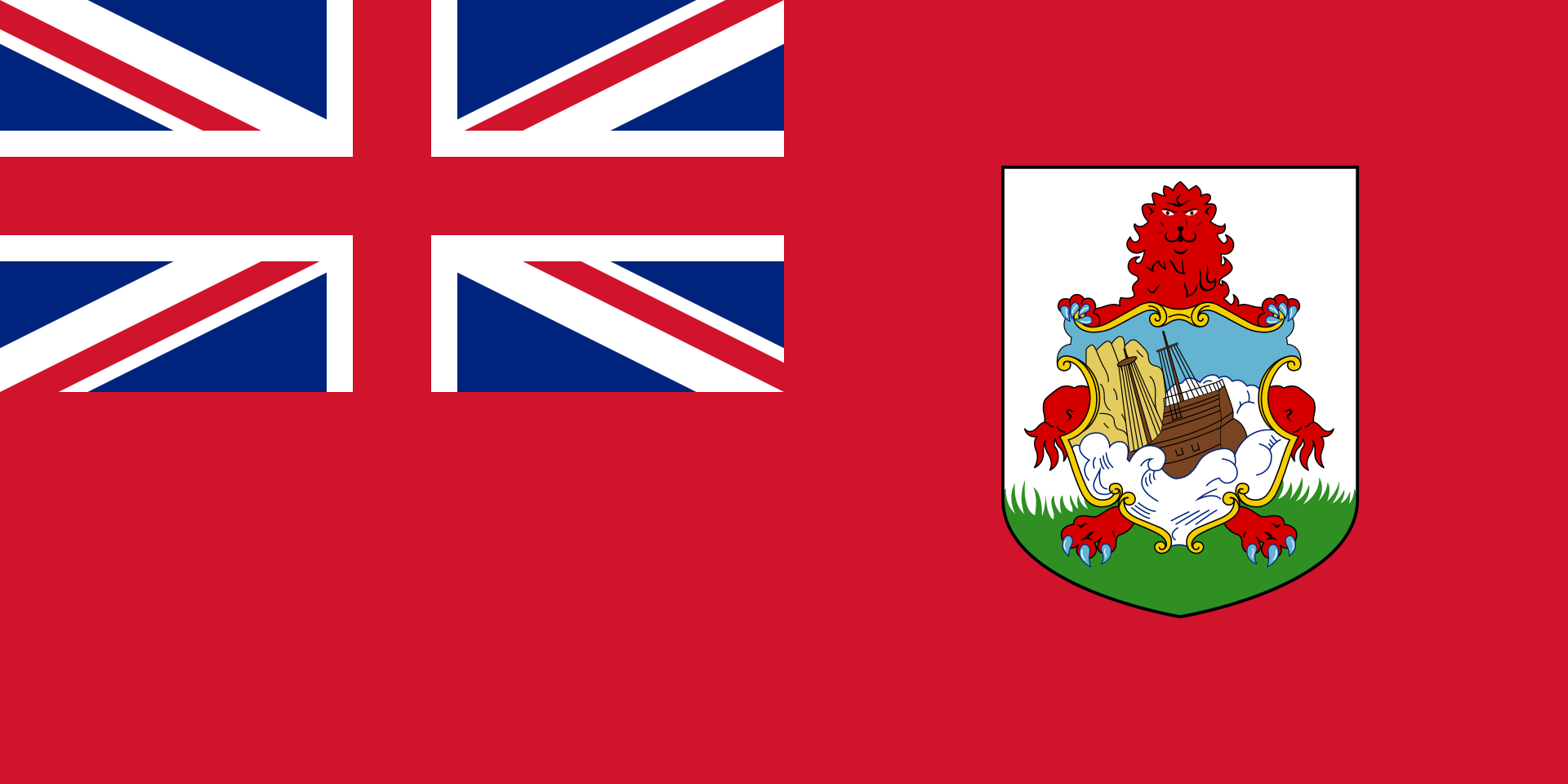
An Analysis of the Bermudian Public Access to Information (PATI) Act by the Centre for Law and Democracy shows that it scores 97 out of a possible total of 150 points on the RTI Rating, which would put it in 45th place out of the 123 countries around the world whose laws are currently assessed on the Rating. The Analysis, which was requested by the local Office of the Information Commissioner, makes a number of recommendations to improve the Act, which was adopted in 2010 but did not come into force until 2015.
“The Bermudian Act has some positive features, including an independent oversight body and a strong set of promotional measures,” said Toby Mendel, Executive Director, CLD. “But it also has a lot of weaknesses, including several for which we believe that experience with implementing the law has already shown to be unnecessary.”
According to CLD’s sources, the government may be considering a review of the Act, although no formal announcement to this effect has been made. We believe that this would be a perfect time for such a review, given that Bermuda now has four years’ experience of implementing the Act. Our Analysis uncovered a number of areas where tests or approaches clearly need to be improved, some duplication and some unfortunately vague language, as well as a number of areas where the Act simply fails to respect international standards.
CLD urges the government to move ahead with a comprehensive review of the Act. If this does happen, we will be happy to engage in the review process.
The CLD Analysis is available at: Bermuda: Analysis of the Public Access to Information Act 2010.
For further information, please contact:
Toby Mendel
Executive Director
Centre for Law and Democracy
Email: toby@law-democracy.org
+1 902 431 3688
www.law-democracy.org
twitter: @law_democracy
7 March 2019,
The Centre for Law and Democracy (CLD) is partnering with UNESCO to carry out a preliminary data collection exercise on implementation of right to information (RTI) laws as part of UNESCO’s role as “custodian agency” for Sustainable Development Goal (SDG) Indicator 16.10.2.
SDG 16 sets targets related to peace, justice and “effective, accountable and inclusive institutions”. One indicator of global progress towards this goal is SDG Indicator 16.10.2: “Number of countries that adopt and implement constitutional, statutory and/or policy guarantees for public access to information”. The RTI Rating already provides us with reliable information about the adoption of RTI laws, but this Indicator assesses whether States have gone beyond this and ensured proper implementation of those laws. This is complex and involves an assessment of factors such as the oversight system for RTI as well as measures taken by public authorities to disclose information proactively, to appoint and train information officers and to develop appropriate procedures to ensure that requests are processed properly.
UNESCO, as the custodian agency for Indicator 16.10.2, has developed a Template consisting of two surveys to assess progress on this Indicator. The first survey is designed to be completed by RTI oversight bodies while the second is for individual public authorities. The goal of the Template is to gather information on measures taken so far to implement RTI, and to identify gaps and remaining challenges.
CLD is assisting UNESCO in collecting data via this Template in 43 countries which have agreed to submit Voluntary National Reviews this year of their progress towards meeting the SDGs. These are:
Algeria, Azerbaijan, Bosnia and Herzegovina, Brazil, Burkina Faso, Cambodia, Cameroon, Central African Republic, Chad, Chile, Congo (Republic of the), Côte d’Ivoire, Croatia, El Salvador, Eritrea, Eswatini (Swaziland), Fiji, Ghana, Guatemala, Guyana, Indonesia, Iraq, Kazakhstan, Kenya, Lesotho, Mauritania, Mauritius, Mongolia, Nauru, Pakistan, Palau, Philippines, Rwanda, Saint Lucia, Serbia, Sierra Leone, South Africa, Timor-Leste, Tonga, Tunisia, Turkey, Turkmenistan and United Republic of Tanzania.
If you are a government official or civil society representative working in one of these countries and believe you can contribute to this data collection exercise, please contact Toby Mendel at toby@law-democracy.org.
20 February 2019,
The Methodology for Assessing Right to Information Implementation in Pakistan was launched today at a workshop in Islamabad. The methodology is a sophisticated tool for assessing the quality of implementation of right to information (RTI) laws. The Centre for Law and Democracy (CLD) has been working over a period of about one and one-half years, in close collaboration with the Information Commissions of Khyber Pakhtunkhwa and Punjab provinces in Pakistan as well as other local stakeholders, to develop this methodology.
“This is the first comprehensive tool that has ever been developed for assessing how well right to information laws are being implemented,” said Toby Mendel, Executive Director, CLD.“We are really pleased to have been able to work on this with the Information Commissions and other stakeholders in Pakistan and we now plan to roll this out globally.”
Sustainable Development Goal (SDG) Indicator 16.10.2 looks at whether States have adopted and implemented RTI legislation. The RTI Rating indicates which countries have adopted laws and how strong those laws are. However, assessing how well countries are doing in terms of implementing their laws, the second part of Indicator 16.10.2, is far more complicated and this methodology addresses that issue, filling thereby a gap in the assessment framework. There are current plans to run a pilot assessment using the methodology in Khyber Pakhtunkhwa province of Pakistan.
The Methodology has been developed in the context of Pakistan, but it is easily adaptable to other countries. CLD plans to develop a global version of the methodology soon and then to apply it in other countries. The Methodology has been developed with the technical support of the German Development Cooperation and the Swiss Agency for Development and Cooperation.
The Methodology is available at: Methodology for Assessing Right to Information Implementation in Pakistan.
For further information, please contact:
Toby Mendel
Executive Director
Centre for Law and Democracy
Email: toby@law-democracy.org
+1 902 431 3688
www.law-democracy.org
twitter: @law_democracy

28 January 2019,
The Myanmar Press Council (MPC), established by the 2014 News Media Law, has been discussing amendments to its founding legislation. Over the past week, the Centre for Law and Democracy (CLD), as part of its collaboration with International Media Support (IMS) and FOJO Media Institute, held two roundtable meetings with members and senior staff of the MPC to discuss the changes that are needed to bring this Law into line with international standards, in particular relating to freedom of expression.
“When it was first adopted, the News Media Law represented an important step forward for Myanmar, in particular because it was part of the process of repealing the repressive 1962 Printers and Publishers Registration Law,” said Toby Mendel, Executive, CLD. “Nearly five years later, however, it is time to align it more fully with international human rights guarantees.”
The discussions at the roundtables focused on an analysis that CLD had prepared of the News Media Law and the Printing and Publishing Enterprises Law, which were adopted on the same day in 2014. The analysis called for both enhancing the structural independence of the MPC and positioning it as the main regulatory body for the print media. Some of the other key points in the analysis included the following:
The analysis is available at:
For further information, please contact:
Toby Mendel
Executive Director
Centre for Law and Democracy
Email: toby@law-democracy.org
+95 (0)995 096 0849
www.law-democracy.org
twitter: @law_democracy
15 January 2019,
The Centre for Law and Democracy (CLD), an international human rights organisation based in Halifax, Nova Scotia, is receiving applications for up to four interns for the summer of 2019. The positions will involve a range of substantive legal work in areas such as freedom of expression, media law,digital rights and access to information.
We ask interns to commit to at least three months full-time work in our office in Halifax during the months of May to August. These positions are unpaid and we encourage prospective interns to seek funding from their law schools or other sources. Interns will have the opportunity to be directly involved in advancing the cause of human rights, normally in a range of countries over the summer. For more information on CLD’s work, visit our website at www.law-democracy.org.
Those interested in applying should send a copy of their CV, cover letter and transcripts to Laura Notess at laura@law-democracy.org by 11 February 2019. Final candidates may be asked to provide a writing sample.
Successful candidates will have a strong academic record, excellent research skills, the ability to multi-task, and a demonstrated commitment to international law and human rights. Languages and regional knowledge are assets. Applicants should be current law students or recent graduates; on an exceptional basis we will consider candidates without a law background.
CLD is an equal opportunity employer and will not discriminate against any applicant on the basis of characteristics such as age, disability, gender, national origin, race, religion or sexual orientation.

14 January 2019,
The Government of Pakistan released a document “Proposed Mandate and Scope of the PMRA” late in 2018. This document is a brief white paper regarding the establishment of a new Pakistan Media Regulatory Authority (PMRA) to regulate all types of media in Pakistan. A Note released today by the Centre for Law and Democracy (CLD) and the Institute for Research, Advocacy and Development (IRADA), based in Pakistan, analyses this policy document, highlighting some of the challenges going forward.
“It is very welcome that Pakistan is reviewing its rules and systems for regulating the media, which is very important”, said Toby Mendel, Executive Director of CLD. “However, the current proposals fail to address, and in some ways even exacerbate, some of the most serious problems with the existing regime.”
One of the key problems with the new proposals is that they seek to bring not only broadcasting and the print media under one regulator but also the “digital/social media”. This even extends to the idea of having one code of conduct for all of these media sectors. Another serious shortcoming is that even though the statements on the establishment of the regulator are very brief, it is already quite clear that there is no intention to make it independent of government, a key international law requirement in this area.
“We believe that the government of Pakistan needs to go back to the drawing board and start with an open consultation about what is needed in this area,” said Muhammad Aftab Alam, Executive Director of IRADA. “We are willing to work with the government to make sure that the rules
are in line with international and constitutional human rights guarantees.
CLD and IRADA urge the government of Pakistan to put aside their draft document and to host a broad consultation with interested stakeholders on the way forward.
The Note is available at:
For further information, please contact:
Toby Mendel
Executive Director
Centre for Law and Democracy
Email: toby@law-democracy.org
Tel: +1 902 431-3688
www.law-democracy.org
twitter: @law_democracy
Muhammad Aftab Alam
Executive Director
Institute for Research, Advocacy and Development
Email: ed@irada.org.pk
+92 321 5959775
www.irada.org.pk
twitter: @IRADAPK
7 November 2018,
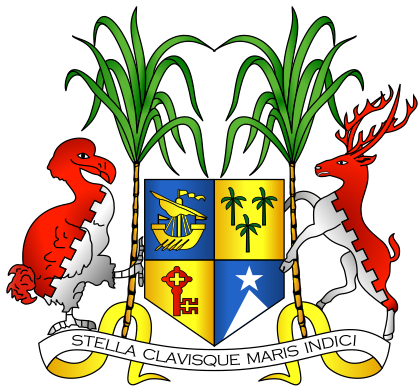
Mauritius adopted the Judicial and Legal Provisions Act in May 2018. The Act focuses on the judicial process but it also includes a few provisions which restrict freedom of expression. An analysis released today by the Centre for Law and Democracy (CLD) highlights problems with these provisions.
“The new rules prohibiting blasphemy and providing for special protection against criticism for judges do not respect international guarantees of freedom of expression”, said Toby Mendel, Executive Director of CLD. “While it is legitimate to prohibit hate speech, such rules need to be carefully and narrowly tailored, which is unfortunately not the case with this provision.”
One rule, making it an offence to insult judges, ushers and officials, appears to be a new addition to the legal framework in Mauritius. It is unclear why the government introduced this provision when the clear international trend is to recognise that these individuals, like other officials, should be required to tolerate a greater degree of criticism than ordinary officials.
The other rules only amend slightly existing prohibitions in the Criminal Code. The blasphemy rule is particularly problematical inasmuch as it not only protects religions but also good morals and public morality. These latter concepts are not only undefined but run directly counter to the principle that the right to freedom of expression protects unpopular and even offensive speech. The hate speech rule is the least problematical of the three, but it is cast in unduly broad terms and provides for wholly disproportionate sanctions of up to 20 years’ imprisonment.
CLD urges the government of Mauritius to amend these rules so as to bring them into line with international standards.
CLD’s Analysis of the content restrictions in the Judicial and Legal Provisions Act is available at: Note on the Judicial and Legal Provisions Act 2018 of Mauritius.
For further information, please contact:
Toby Mendel
Executive Director
Centre for Law and Democracy
Email: toby@law-democracy.org
Tel: +1 902 431-3688
www.law-democracy.org
twitter: @law_democracy
